Dover Heights
Rocks and sand they couldn’t sell
A desolate stretch of windswept scrub became one of Australia’s most affluent suburbs. It had plenty of snakes but no natural attractions and buyers were few when Dover Heights was first subdivided.
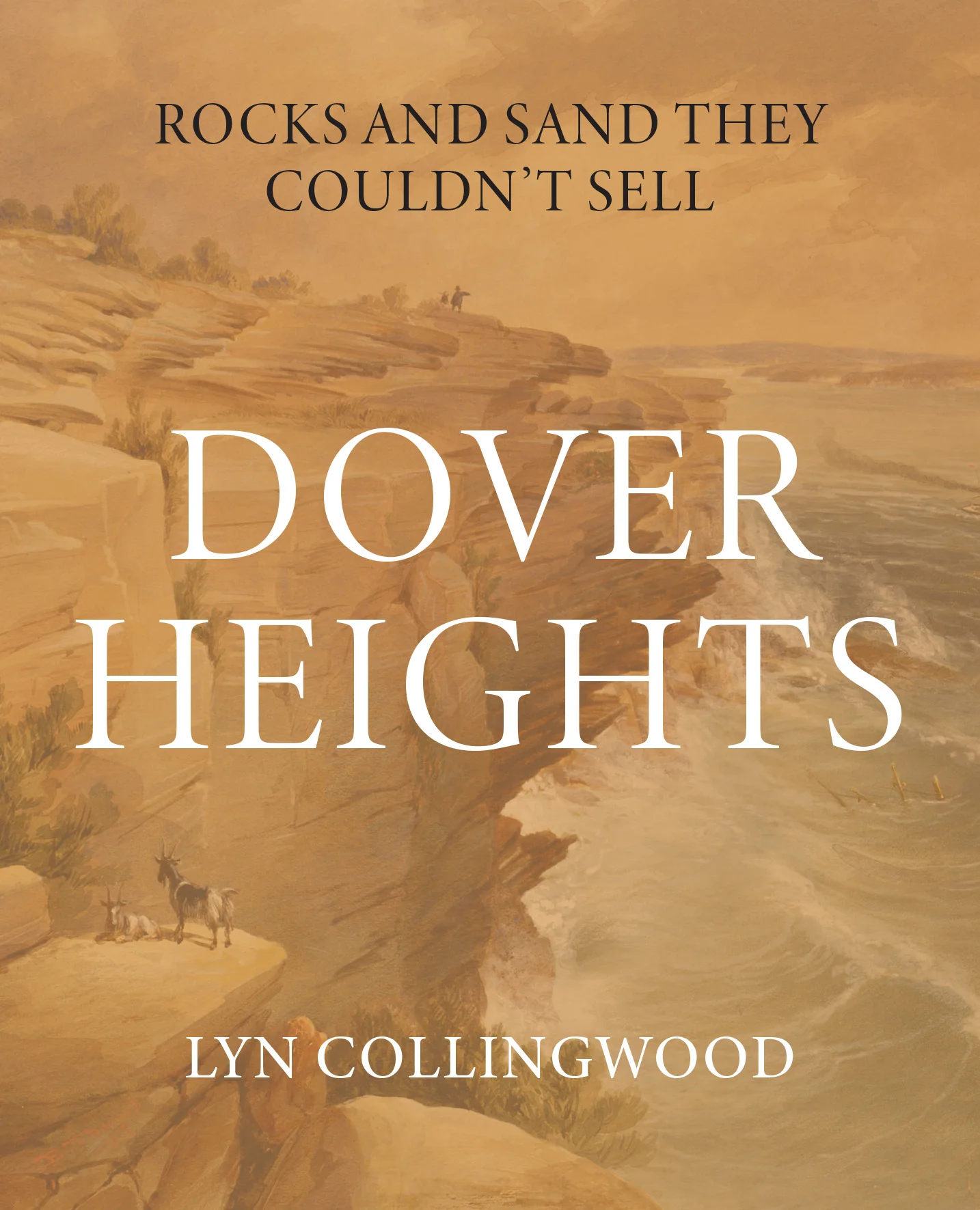
Although Dover Heights is one of Australia’s richest suburbs, no history has been written about it. Until now.
Bondi had its beach, Watsons Bay its dramatic entry to the harbour through the Heads, and Rose Bay its picturesque shoreline. In contrast, the neighbouring stretch of windswept scrub along the ocean cliffs had plenty of snakes but no natural attractions.
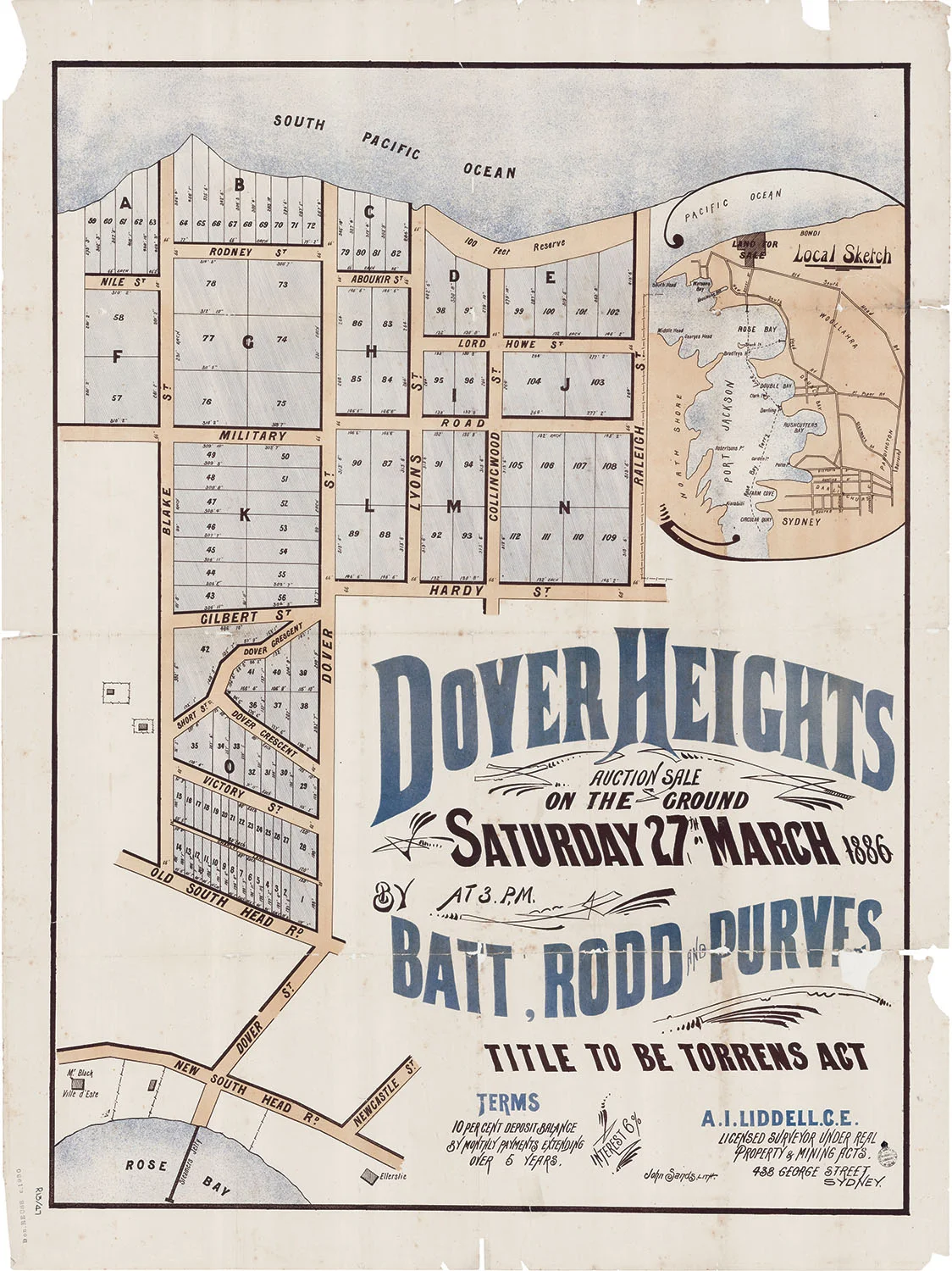
It wasn’t until the 1880s land boom that speculators switched attention to one of the city’s remaining undeveloped areas.
But buyers were few when Dover Heights was first subdivided. The biggest problem was getting there. There was no public transport. Real estate agents pushed the myth that the suburb would be serviced by trams running straight through it, but the line was never built.
It was only with increased car ownership that settlement grew. Post Second World War immigrants boosted the population.
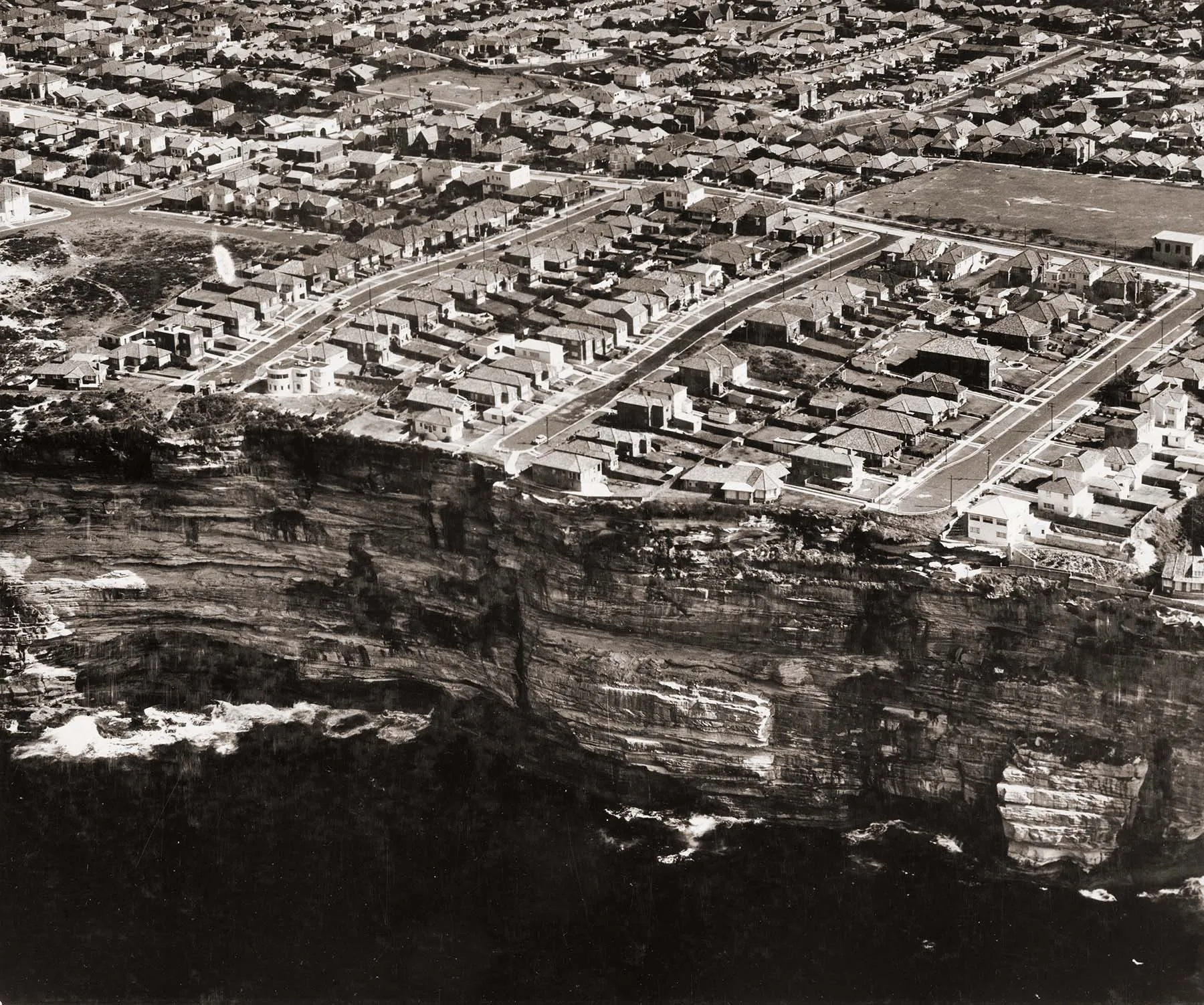
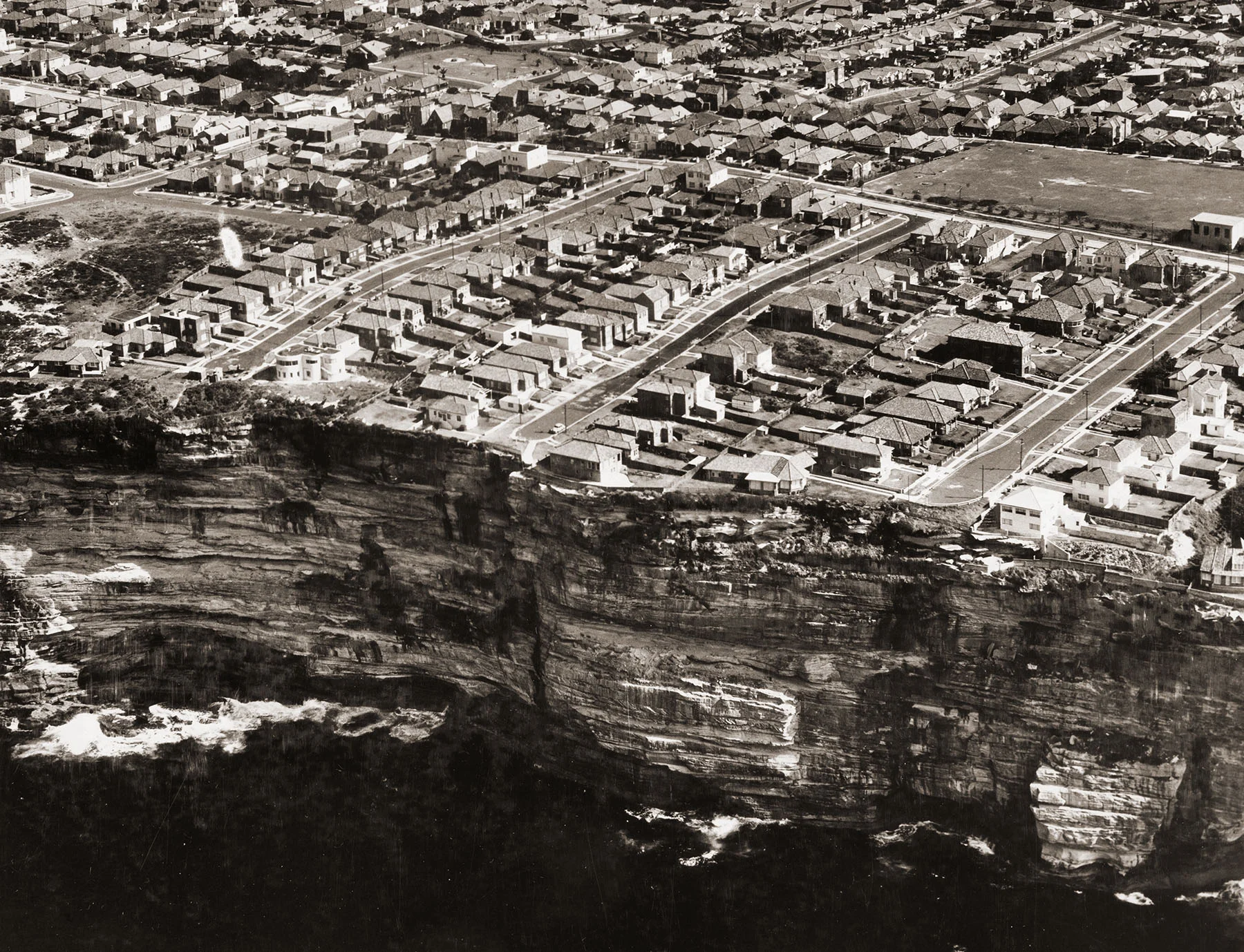
This book traces the transformation of a ‘terra incognita’ of desolation – its foothills covered by sandstorms in dry weather and stormwater when it rained – to today’s patchwork of mansions, swimming pools and manicured lawns.
Macquarie Lighthouse, looking north, 1842. Watercolour by Jacob Janssen. Image: Mitchell Library, SLNSW: FL12879057
Life on the edge... Man reclining on a cliff at South Head. Image: SLNSW: DL PX 149
The Gap Hotel and its outbuildings, 1877. Image: SLNSW: FL1227636
Sydney and Suburbs: sewerage system, 1897 (detail). Image: SLNSW: FL16811859
Bondi Beach c.1900, the sewer chimney at Meriverie Pass the only landmark on the horizon. Image: Powerhouse Museum
Knox Estate: ‘fishing at your door’. Image: SLNSW
Ostrich Farm Estate: Elvina Street being made. Image: SLNSW
‘Choice building land’. Image: SLNSW
Murriverie Road looking towards Dover Heights, 1930s. Image: Waverley Library
Scene of tragedy at Ben Buckler, Bondi. Image: SLNSW FL1292683
What readers say
“Impressive research skills & a lively and enquiring intelligence... I was enlightened and entertained. The generous sprinkling of illustrations & photographs is a welcome bonus.”
— David Gaunt, director, Gleebooks
“A handsome book and very informative. Something that no resident of the district with any interest in their local history should be without.”
— G. A. Mawer, historian
“I really enjoyed the read. It’s terrific.”
— John Faulkner, author & former senator
“I was constantly engaged... and so many images.”
— Richard Blair, editor & local historian
Inside the book
- • 212 pages of extensively researched local history
- • Paperback size 7.5 × 9.25 inches
- • Premium colour printing throughout
- • 250 historical photographs and maps
- • Stories of local identities
- • Comprehensive index of people, places and events
See the full scope of topics covered in the book.
About the author


Get your copy
Paperback: 978-0-6459276-7-2
Ebook: 978-0-6459276-8-9
Published: 2025
Publisher: No Rest For The Wicked